
EMDR Therapy: A Solution for Trauma Recovery
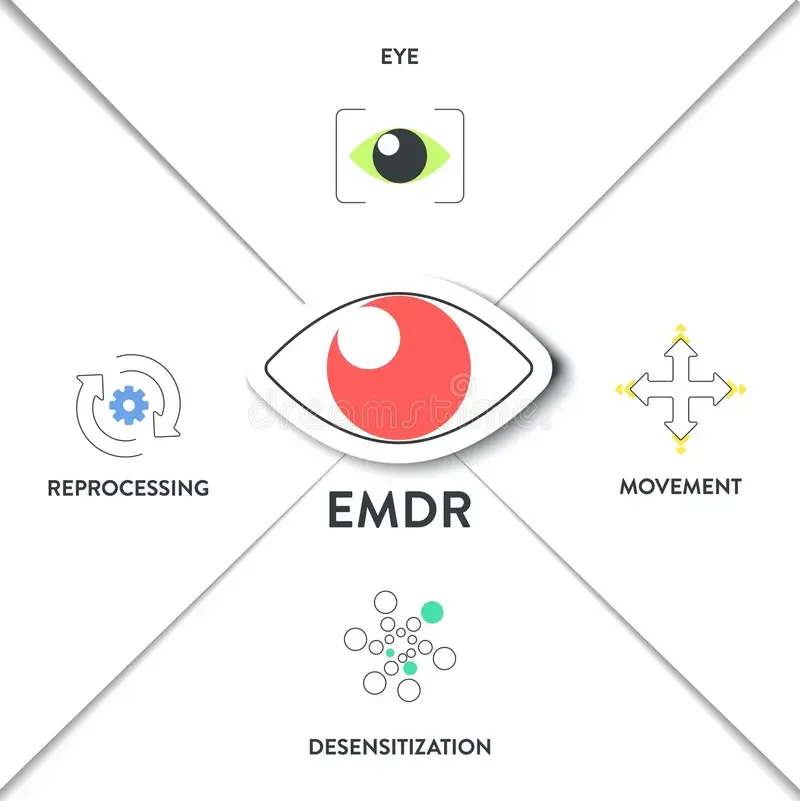
Trauma can leave lasting emotional scars that impact an individual’s well-being, relationships, and overall quality of life. Eye Movement Desensitization and Reprocessing (EMDR) therapy is an innovative treatment designed to help individuals process traumatic memories and reduce their emotional impact.
EMDR is an evidence-based therapy that helps individuals process traumatic memories through a combination of guided eye movements and structured therapy techniques. This allows individuals to reprocess trauma and integrate these memories in a way that reduces emotional distress.
How EMDR Works:
Bilateral stimulation: During EMDR, the therapist uses guided eye movements or other forms of bilateral stimulation (such as taps or sounds) to help the brain process traumatic memories.
Memory reprocessing: This process allows the brain to reframe the memory, reducing its emotional charge and helping the individual make sense of the event.
Integration of new beliefs: EMDR also helps individuals replace negative beliefs associated with the trauma with healthier, more adaptive beliefs.
The Benefits of EMDR Therapy:
Reduced trauma symptoms: EMDR has been shown to reduce symptoms of PTSD, anxiety, and depression related to trauma.
Faster recovery: Many individuals experience significant improvement in a relatively short amount of time.
Improved emotional well-being: EMDR helps individuals reclaim control over their emotions and lives.
If you’ve experienced trauma and are struggling to heal, EMDR therapy could be the solution you need. By processing traumatic memories in a safe and structured way, EMDR can help you recover, move forward, and live a more fulfilling life.
